RunZhong- Custom Microfiber Towels & Cleaning Cloths Manufacturer Since 2014.




RunZhong- Custom Microfiber Towels & Cleaning Cloths Manufacturer Since 2014.


Mar. 09, 2026
At XINJI RUNZHONG TEXTILE CO., LTD, we believe that understanding the technology behind our products is the first step toward appreciating their value. In the world of textiles, few innovations have revolutionized cleaning and personal care quite like the Microfiber Towel. But what exactly makes a microfiber towel superior to traditional cotton? This article dives deep into the product knowledge, manufacturing nuances, and care techniques that define high-quality microfiber.
To understand the towel, you must first understand the thread. A fiber is classified as "microfiber" when it measures less than 10 denier (or less than 10 micrometers in diameter), making it many times finer than a human hair and significantly thinner than a cotton fiber.
At XINJI RUNZHONG, our premium Microfiber Towels are typically composed of a precision blend of Polyester and Polyamide (Nylon). Common industry blends range from 80% Polyester/20% Polyamide to 70% Polyester/30% Polyamide.
*Polyester provides the structure and scrubbing power, acting as the rigid element that grabs and lifts dirt.
*Polyamide is responsible for the towel's exceptional absorbency and softness, acting like microscopic reservoirs for water.
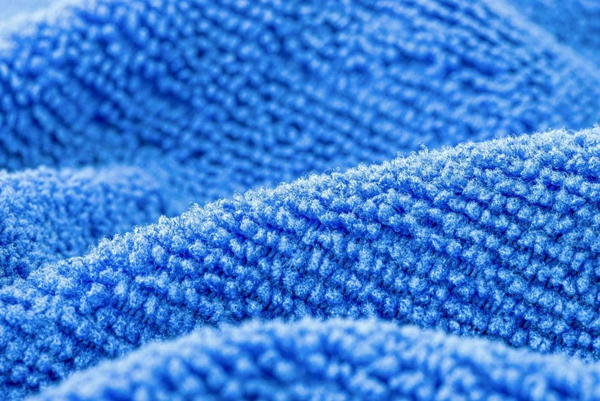
The true genius of a high-performance Microfiber Towel lies not just in the thinness of the fibers, but in their shape. During the manufacturing process—specifically through a method involving chemical splitting—the fibers are treated to split open . Under a microscope, a standard fiber looks like a smooth cylinder. A split microfiber looks like a star or a multi-bladed fan.
This splitting creates thousands of microscopic "hooks" or "grooves" along the surface of the towel. These tiny gaps are smaller than dust particles, dirt, grease, and even bacteria . When you wipe a surface, these split fibers act like tiny claws, scraping up dirt and locking it away in the fabric rather than pushing it around like a traditional cotton cloth.
Why are industries from automotive detailing to luxury spas switching to microfiber? The performance metrics speak for themselves.
Due to the large surface area created by the split fibers and the hydrophilic (water-attracting) properties of the Polyamide, a quality Microfiber Towel can absorb up to seven times its weight in water . The capillary action between the dense fibers pulls liquid in and holds it tight.
Because microfiber is synthetic and engineered to trap particles, it does not shed lint like natural fibers . Furthermore, the fibers are non-abrasive. They are soft enough to glide over delicate surfaces like car paint, camera lenses, or eyeglasses while still being aggressive enough to break up grime.
Microfiber Towels generate a small amount of static electricity when wiped across a surface. This static charge attracts dust and fine particles like a magnet, pulling them into the fabric without the need for chemical sprays . When used dry, this makes microfiber the perfect tool for dusting electronics and sensitive areas.
Cotton towels are notorious for harboring bacteria and mildew because they retain moisture for long periods. The synthetic structure of microfiber allows it to dry up to three times faster than cotton. Since bacteria require moisture to thrive, a quick-drying towel is inherently more hygienic, resisting odors and rot.
Not all microfiber is created equal. The end-use of the towel determines its weave and pile (the length of the loops on the surface).
*Terry Weave: Featuring cut loops, this is our go-to for all-purpose cleaning and body towels. It offers a balance of softness and absorbency, perfect for salon use or general household cleaning.
*Waffle Weave: Characterized by its honeycomb pattern, the waffle weave increases surface tension, allowing the towel to glide effortlessly while pulling moisture into the "pockets." This is the preferred choice for streak-free drying of glass, mirrors, and vehicles.
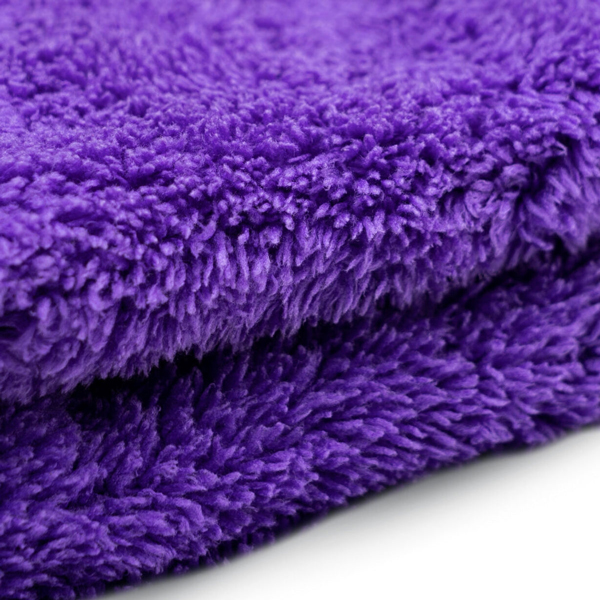
*Double-Sided Plush: In our premium lines, we utilize a double-sided loop pile structure. Some of these undergo a specialized "napping" or sanding process (using 200-600 grit paper) to fracture the very tips of the loops. This creates an ultra-soft, "peach-skin" or plush-like feel that is incredibly gentle on the skin while retaining the inner fiber strength for cleaning.
To ensure the longevity of your Microfiber Towels, proper care is essential. At XINJI RUNZHONG, we educate our clients on the "Dos and Don'ts" of laundry to protect the split fiber technology.
*The Golden Rule: Never use Fabric Softener. Fabric softener works by coating fibers with a waxy film. On microfiber, this film clogs the microscopic split grooves, destroying absorbency and static cling permanently .
*Wash Smart: Wash towels separately from cotton items to prevent lint transfer. Use a liquid, fragrance-free detergent in small amounts. Avoid bleach and powdered detergents, which can leave residue .
*Dry with Care: High heat is the enemy of synthetic fibers. Air drying is best, but if using a dryer, select a no-heat or low-heat setting. Never use dryer sheets .
The Microfiber Towel is a marvel of textile engineering. From the initial polyester/polyamide bi-component extrusion to the final chemical splitting and napping processes, every step is designed to maximize surface area and cleaning power .
At XINJI RUNZHONG TEXTILE CO., LTD, we harness this technology to produce towels that are softer, stronger, and smarter. Whether you need a lint-free solution for a cleanroom, an ultra-absorbent cloth for a hotel spa, or a durable wipe for industrial use, understanding these product principles ensures you choose the right tool for the job.
Latest News


